- Victory Tax Brief
- Posts
- How to Avoid an IRS Audit
How to Avoid an IRS Audit
The Victory Tax Brief | Issue #25

Parham Khorsandi
March 19, 2026
No taxpayer wants to see a letter from the IRS announcing an audit.
While audits are relatively rare, certain patterns on a tax return can increase the chances that the IRS will take a closer look. The good news is that many of the most common audit triggers are also the easiest to avoid.
Understanding how audits work and what the IRS looks for can help you file with greater confidence and reduce the likelihood of scrutiny.
At Victory Tax Lawyers, we help clients navigate complex tax issues, from audits and back taxes to liens and fraud investigations.
If you’re unsure whether you need expert help, call (800) 883‑8301 for a free consultation.
🔎 How IRS Audits Usually Begin
Most audits start when something on a tax return does not match the information the IRS already has.
Employers, banks, brokers, and payment platforms all send copies of income records directly to the IRS. If the numbers on your return do not align with those records, the agency’s systems may flag the discrepancy for review.
In many cases, the first step is not a full audit but a letter asking for clarification or documentation.
🚩 Common Red Flags That Can Trigger an Audit

While there is no guaranteed way to avoid an audit entirely, certain reporting patterns are more likely to draw attention.
Some of the most common triggers include:
• Unreported income from freelance work, investments, or side businesses
• Large deductions that appear unusual for your income level
• Home office deductions that do not meet IRS eligibility rules
• Frequent math errors or amended returns
• Failure to report foreign accounts or cryptocurrency income
These issues do not automatically mean something is wrong, but they can increase the likelihood that the IRS will request additional documentation.
📂 The Best Ways to Reduce Audit Risk
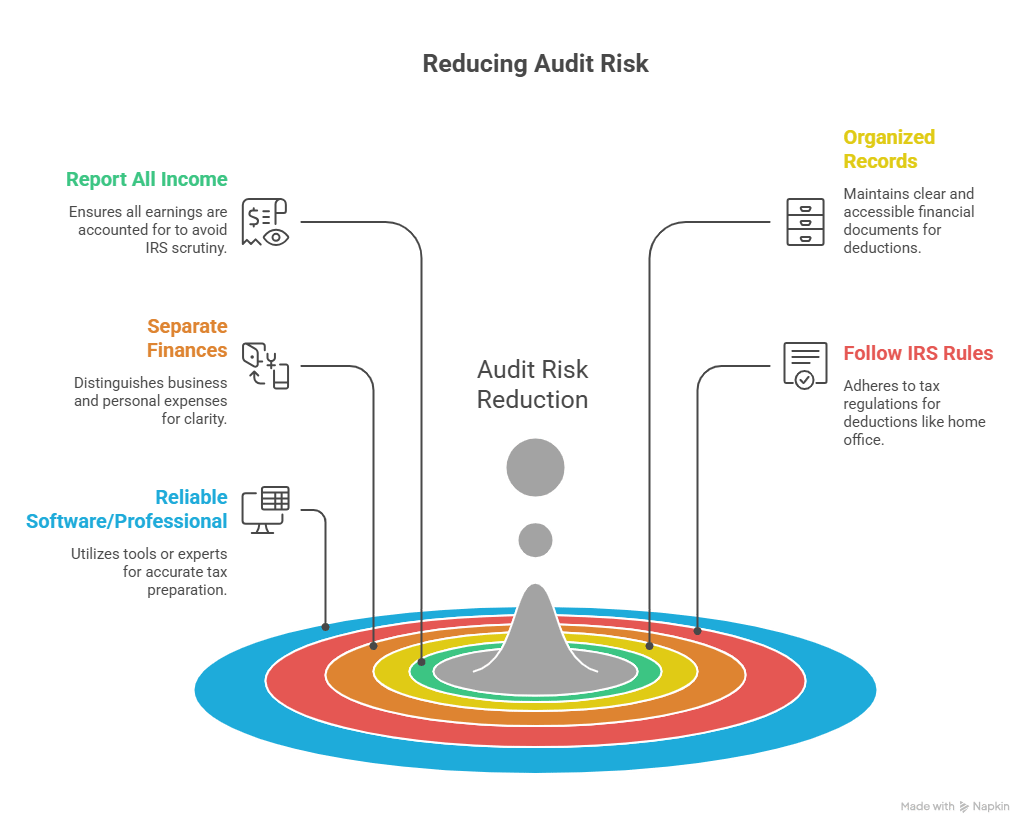
Most audit problems arise from incomplete records or inaccurate reporting.
A few simple practices can significantly reduce the chance of IRS scrutiny:
• Report all sources of income, including side work or investment earnings
• Keep organized receipts and financial records for deductions
• Separate business and personal finances if you are self-employed
• Follow IRS rules carefully for deductions like the home office
• Work with reliable tax software or a qualified tax professional
Accurate reporting and proper documentation are the strongest defenses against audit complications.
📞 Facing an IRS Audit or Notice?
If you receive an IRS audit notice or need guidance responding to the agency, experienced representation can make the process far less stressful.
Victory Tax Lawyers helps taxpayers navigate IRS audits, respond to notices, and resolve disputes with the agency.
Call (800) 883-8301 to schedule a confidential consultation and discuss your situation with a tax professional.